
 https://www.biglogy.com/wp-content/uploads/2026/10/biglogy-seo-tools-affiliate-websites-featured.webp
630
1200
biglogy
https://www.biglogy.com/wp-content/uploads/2025/11/Biglogy-logo-340x156-1-300x138.png
biglogy2026-10-25 00:03:082026-11-17 02:29:37Best SEO Tools for Affiliate Websites: An Evidence-Based Selection Guide
 https://www.biglogy.com/wp-content/uploads/2026/10/use-tables-blog-post-content-v3.png
630
1200
biglogy
https://www.biglogy.com/wp-content/uploads/2025/11/Biglogy-logo-340x156-1-300x138.png
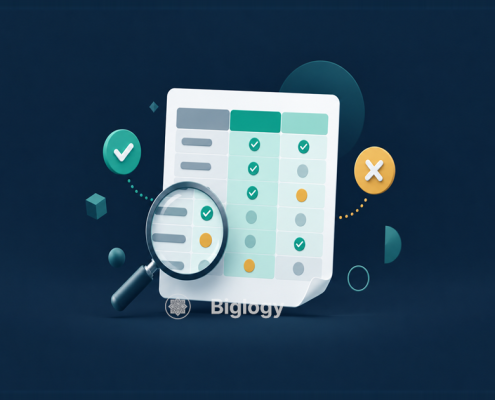
biglogy2026-10-23 01:07:162026-10-23 22:59:48When Should You Use a Table in a Blog Post?
 https://www.biglogy.com/wp-content/uploads/2026/10/hub-spoke-content-architecture-content-v3.png
630
1200
biglogy
https://www.biglogy.com/wp-content/uploads/2025/11/Biglogy-logo-340x156-1-300x138.png
biglogy2026-10-23 01:07:162026-10-23 22:59:52What Is a Hub-and-Spoke Content Architecture?
 https://www.biglogy.com/wp-content/uploads/2026/10/human-centered-seo-guide-content-v3.png
630
1200
biglogy
https://www.biglogy.com/wp-content/uploads/2025/11/Biglogy-logo-340x156-1-300x138.png
biglogy2026-10-23 01:07:162026-10-23 22:59:53What Is Human-Centered SEO? Focusing on the Problem, Not the Keyword
 https://www.biglogy.com/wp-content/uploads/2026/10/keyword-research-tools-usage-content-v3.png
630
1200
biglogy
https://www.biglogy.com/wp-content/uploads/2025/11/Biglogy-logo-340x156-1-300x138.png
biglogy2026-10-23 01:06:592026-10-23 23:00:00What Are Keyword Research Tools Used For?
 https://www.biglogy.com/wp-content/uploads/2026/10/annual-content-audit-guide-content-v3.png
630
1200
biglogy
https://www.biglogy.com/wp-content/uploads/2025/11/Biglogy-logo-340x156-1-300x138.png
biglogy2026-10-23 01:06:592026-10-23 23:00:00How Should an Annual Content Audit Be Conducted for Biglogy?
 https://www.biglogy.com/wp-content/uploads/2026/10/content-optimization-tools-organic-traffic-content-v3.png
630
1200
biglogy
https://www.biglogy.com/wp-content/uploads/2025/11/Biglogy-logo-340x156-1-300x138.png
biglogy2026-10-23 01:06:592026-10-23 23:00:05Do Content Optimization Tools Really Drive Organic Traffic?
 https://www.biglogy.com/wp-content/uploads/2026/10/write-useful-content-without-best-content-v3.png
630
1200
biglogy
https://www.biglogy.com/wp-content/uploads/2025/11/Biglogy-logo-340x156-1-300x138.png
biglogy2026-10-23 01:06:592026-10-23 23:00:10How to Write the Most Helpful Content Without Saying “Best”?
 https://www.biglogy.com/wp-content/uploads/2026/10/seo-tools-beginners-content-v3.png
630
1200
biglogy
https://www.biglogy.com/wp-content/uploads/2025/11/Biglogy-logo-340x156-1-300x138.png
biglogy2026-10-23 01:06:592026-10-23 23:00:20Are SEO Tools Really Necessary for Beginners?
 https://www.biglogy.com/wp-content/uploads/2026/10/design-internal-link-boxes-decision-tables-cta-areas-content-v3.png
630
1200
biglogy
https://www.biglogy.com/wp-content/uploads/2025/11/Biglogy-logo-340x156-1-300x138.png
biglogy2026-10-23 01:06:592026-10-23 23:00:24How Should Internal Link Boxes, Decision Tables, and CTA Areas Be Designed?