
 https://www.biglogy.com/wp-content/uploads/2026/10/biglogy-trust-standard-information-source-content-v3.png
630
1200
biglogy
https://www.biglogy.com/wp-content/uploads/2025/11/Biglogy-logo-340x156-1-300x138.png
biglogy2026-10-23 01:06:592026-10-23 22:59:58Biglogy Trust Standard: What Information Cannot Be Written Without a Source?
 https://www.biglogy.com/wp-content/uploads/2026/10/source-citation-guide-content-v3.png
630
1200
biglogy
https://www.biglogy.com/wp-content/uploads/2025/11/Biglogy-logo-340x156-1-300x138.png
biglogy2026-10-23 01:06:592026-10-23 22:59:59How Should Sources Be Cited in Content? Official, Independent, and User-Generated Sources
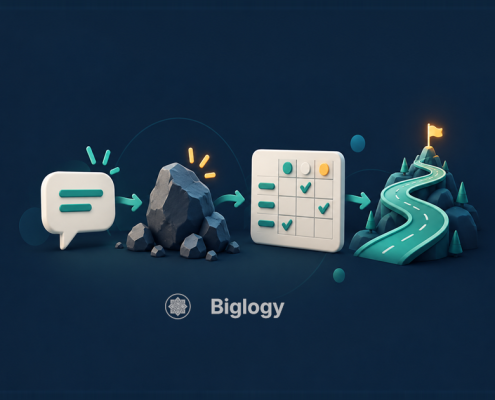 https://www.biglogy.com/wp-content/uploads/2026/10/biglogy-blog-format-content-v3.png
630
1200
biglogy
https://www.biglogy.com/wp-content/uploads/2025/11/Biglogy-logo-340x156-1-300x138.png
biglogy2026-10-23 01:06:592026-10-23 23:00:05Biglogy Blog Format: Short Answer, Problem, Decision Matrix, and Roadmap
 https://www.biglogy.com/wp-content/uploads/2026/10/biglogy-affiliate-transparency-policy-content-v3.png
630
1200
biglogy
https://www.biglogy.com/wp-content/uploads/2025/11/Biglogy-logo-340x156-1-300x138.png
biglogy2026-10-23 01:06:432026-10-23 23:00:26Biglogy Affiliate Transparency Policy: How Should Readers Be Informed If There Is a Commission?
 https://www.biglogy.com/wp-content/uploads/2026/10/biglogy-content-quality-checklist-content-v3.png
630
1200
biglogy
https://www.biglogy.com/wp-content/uploads/2025/11/Biglogy-logo-340x156-1-300x138.png
biglogy2026-10-23 01:06:432026-10-23 23:00:27Biglogy Content Quality Checklist: 50 Questions Before Publication
 https://www.biglogy.com/wp-content/uploads/2026/10/how-to-create-decision-matrix-content-v3.png
630
1200
biglogy
https://www.biglogy.com/wp-content/uploads/2025/11/Biglogy-logo-340x156-1-300x138.png
biglogy2026-10-23 01:06:432026-10-23 23:00:32How to Create a Decision Matrix? A Blog Format That Lets Readers Make Choices
 https://www.biglogy.com/wp-content/uploads/2026/10/official-source-vs-user-review-content-v3.png
630
1200
biglogy
https://www.biglogy.com/wp-content/uploads/2025/11/Biglogy-logo-340x156-1-300x138.png
biglogy2026-10-23 01:06:432026-10-23 23:00:32Official Source or User Review? How Reliable Is Each Source of Information?
 https://www.biglogy.com/wp-content/uploads/2026/10/biglogy-software-evaluation-content-v3.png
630
1200
biglogy
https://www.biglogy.com/wp-content/uploads/2025/11/Biglogy-logo-340x156-1-300x138.png
biglogy2026-10-23 01:06:432026-10-23 23:00:35The Biglogy Methodology: What Questions Do We Ask When Evaluating Software?
 https://www.biglogy.com/wp-content/uploads/2026/10/biglogy-digital-decision-guidance-content-v3.png
630
1200
biglogy
https://www.biglogy.com/wp-content/uploads/2025/11/Biglogy-logo-340x156-1-300x138.png
biglogy2026-10-23 01:06:272026-10-23 23:00:47What Is Biglogy? A New Publishing Approach for Digital Decision Guidance
 https://www.biglogy.com/wp-content/uploads/2026/10/reduce-sales-language-blog-content-v3.png
630
1200
biglogy
https://www.biglogy.com/wp-content/uploads/2025/11/Biglogy-logo-340x156-1-300x138.png
biglogy2026-10-23 01:06:272026-10-23 23:00:49How to Reduce Sales Language in Blog Content?