
 https://www.biglogy.com/wp-content/uploads/2026/10/biglogy-vision-knowledge-benefit-justice-digital-productivity-content-v3.png
630
1200
biglogy
https://www.biglogy.com/wp-content/uploads/2025/11/Biglogy-logo-340x156-1-300x138.png
biglogy2026-10-23 01:06:272026-10-23 23:00:45The Biglogy Vision: Knowledge, Benefit, Justice, and Digital Productivity
 https://www.biglogy.com/wp-content/uploads/2026/10/ethical-review-without-testing-content-v3.png
630
1200
biglogy
https://www.biglogy.com/wp-content/uploads/2025/11/Biglogy-logo-340x156-1-300x138.png
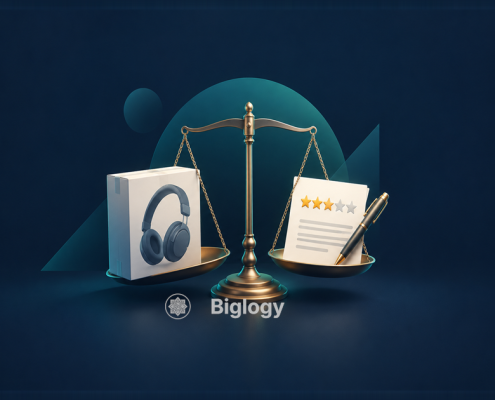
biglogy2026-10-23 01:06:272026-10-23 23:00:42Can You Write a Review Without Testing a Product? Ethical Boundaries and Appropriate Language
 https://www.biglogy.com/wp-content/uploads/2026/10/blog-vs-review-differences-content-v3.png
630
1200
biglogy
https://www.biglogy.com/wp-content/uploads/2025/11/Biglogy-logo-340x156-1-300x138.png
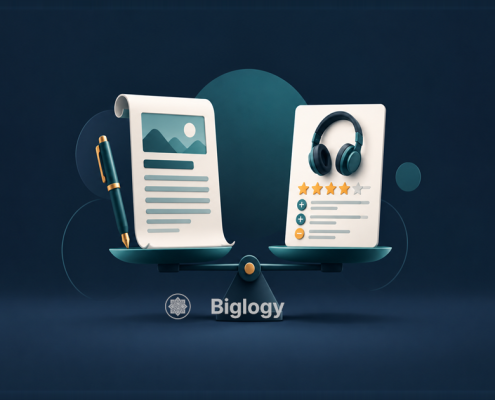
biglogy2026-10-23 01:06:272026-10-23 23:00:40What Is the Difference Between a Blog Post and a Review?
 https://www.biglogy.com/wp-content/uploads/2026/10/problem-focused-content-content-v3.png
630
1200
biglogy
https://www.biglogy.com/wp-content/uploads/2025/11/Biglogy-logo-340x156-1-300x138.png
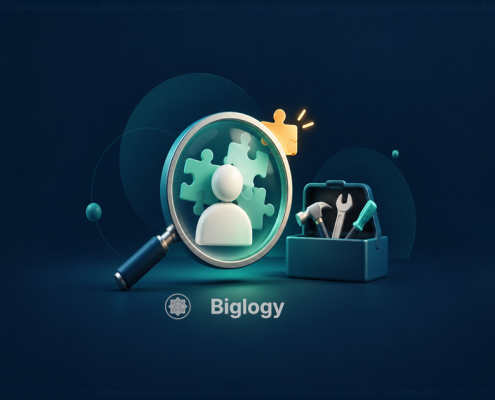
biglogy2026-10-23 01:06:272026-10-23 23:00:39What Is Problem-Focused Content? Understanding User Needs Before the Tool
 https://www.biglogy.com/wp-content/uploads/2026/10/biglogy-publishing-charter-benefit-evidence-transparency-justice-content-v3.png
630
1200
biglogy
https://www.biglogy.com/wp-content/uploads/2025/11/Biglogy-logo-340x156-1-300x138.png
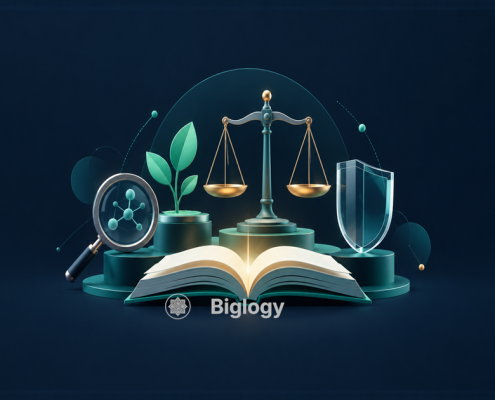
biglogy2026-10-22 23:23:122026-10-23 23:00:50Biglogy Publishing Charter: The Principles of Benefit, Evidence, Transparency, and Justice
 https://www.biglogy.com/wp-content/uploads/2026/10/review-sections-guide-content-v3.png
630
1200
biglogy
https://www.biglogy.com/wp-content/uploads/2025/11/Biglogy-logo-340x156-1-300x138.png
biglogy2026-10-22 23:23:102026-10-23 23:00:57What Sections Should a Good Review Include?