
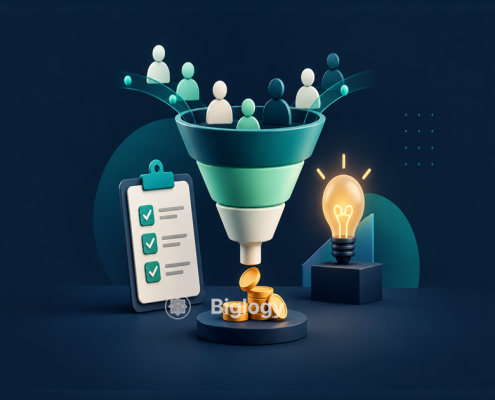
 https://www.biglogy.com/wp-content/uploads/2026/10/sales-funnel-setup-guide-content-v3.png
630
1200
biglogy
https://www.biglogy.com/wp-content/uploads/2025/11/Biglogy-logo-340x156-1-300x138.png
biglogy2026-10-23 01:06:592026-10-23 23:00:03What You Need to Know Before Setting Up a Sales Funnel
 https://www.biglogy.com/wp-content/uploads/2026/10/vendor-lock-in-guide-content-v3.png
630
1200
biglogy
https://www.biglogy.com/wp-content/uploads/2025/11/Biglogy-logo-340x156-1-300x138.png
biglogy2026-10-23 01:06:592026-10-23 23:00:12What Is Vendor Lock-in in Digital Tools?
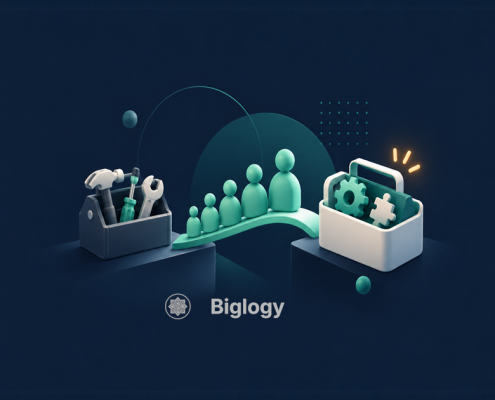 https://www.biglogy.com/wp-content/uploads/2026/10/growing-team-switch-tools-content-v3.png
630
1200
biglogy
https://www.biglogy.com/wp-content/uploads/2025/11/Biglogy-logo-340x156-1-300x138.png
biglogy2026-10-23 01:06:432026-10-23 23:00:27When Should a Growing Team Switch Tools?
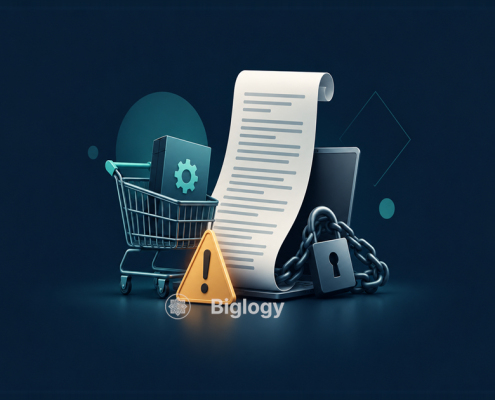 https://www.biglogy.com/wp-content/uploads/2026/10/why-buying-software-without-reading-terms-content-v3.png
630
1200
biglogy
https://www.biglogy.com/wp-content/uploads/2025/11/Biglogy-logo-340x156-1-300x138.png
biglogy2026-10-23 01:06:432026-10-23 23:00:31Why Is It Risky to Purchase Software Without Reading the Terms of Service?
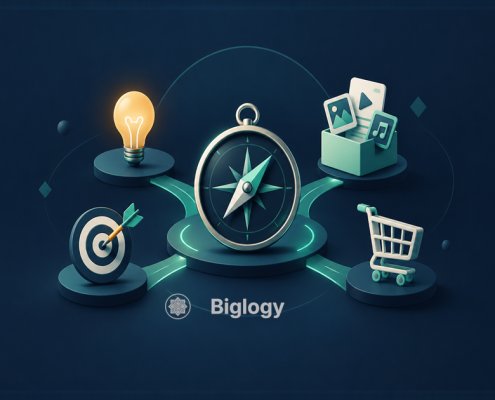 https://www.biglogy.com/wp-content/uploads/2026/10/sell-digital-products-first-decisions-content-v3.png
630
1200
biglogy
https://www.biglogy.com/wp-content/uploads/2025/11/Biglogy-logo-340x156-1-300x138.png
biglogy2026-10-23 01:06:432026-10-23 23:00:33What Should Someone Who Wants to Sell Digital Products Decide First?
 https://www.biglogy.com/wp-content/uploads/2026/10/digital-product-launch-checklist-content-v3.png
630
1200
biglogy
https://www.biglogy.com/wp-content/uploads/2025/11/Biglogy-logo-340x156-1-300x138.png
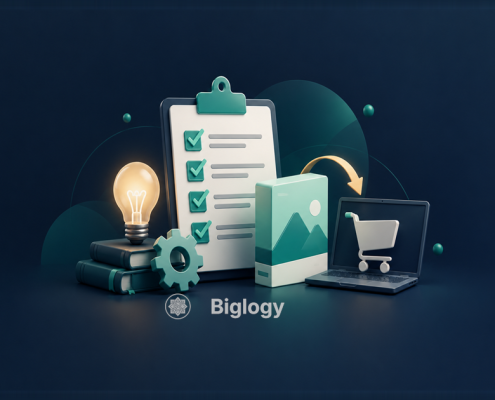
biglogy2026-10-23 01:06:432026-10-23 23:00:33Checklist of Things You Need to Prepare Before Selling Your First Digital Product
 https://www.biglogy.com/wp-content/uploads/2026/10/data-portability-switching-platforms-content-v3.png
630
1200
biglogy
https://www.biglogy.com/wp-content/uploads/2025/11/Biglogy-logo-340x156-1-300x138.png
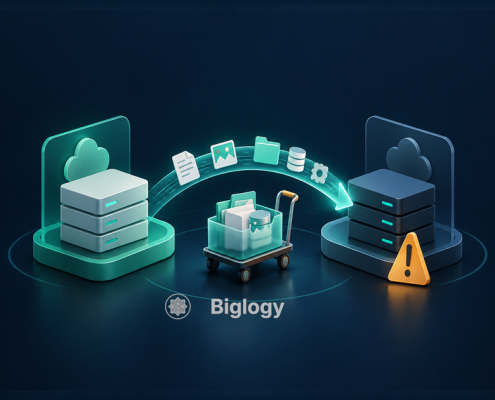
biglogy2026-10-23 01:06:432026-10-23 23:00:35Why Is Data Portability Important? Risks of Switching Platforms
 https://www.biglogy.com/wp-content/uploads/2026/10/marketing-automation-small-business-content-v3.png
630
1200
biglogy
https://www.biglogy.com/wp-content/uploads/2025/11/Biglogy-logo-340x156-1-300x138.png
biglogy2026-10-23 01:06:432026-10-23 23:00:36Is Marketing Automation Too Much for Small Businesses?
 https://www.biglogy.com/wp-content/uploads/2026/10/agency-client-management-reporting-tools-content-v3.png
630
1200
biglogy
https://www.biglogy.com/wp-content/uploads/2025/11/Biglogy-logo-340x156-1-300x138.png
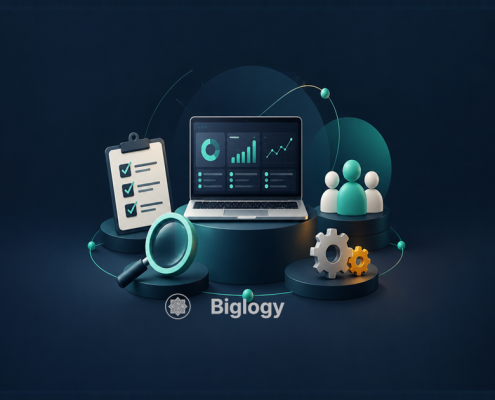
biglogy2026-10-23 01:06:272026-10-23 23:00:45How Should Agencies Choose Client Management and Reporting Tools?
 https://www.biglogy.com/wp-content/uploads/2026/10/software-stack-small-business-content-v3.png
630
1200
biglogy
https://www.biglogy.com/wp-content/uploads/2025/11/Biglogy-logo-340x156-1-300x138.png
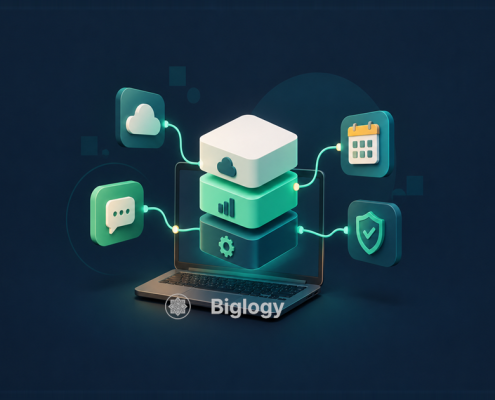
biglogy2026-10-23 01:06:272026-10-23 23:00:48How to Set Up a Software Stack for Small Businesses?